
In short
- Working from home with children is two jobs at the same time. Plan for it instead of hoping for a quiet day.
- Match focus blocks to your children's rhythm: naps, school hours, screen time, the other parent's shift.
- The WHO and ILO recommend clear boundaries and regular breaks for healthy telework.
Why it is so tiring
At home you are never fully at work and never fully off. You answer an email, then a snack request, then a call, then a fight about a toy. Each switch costs attention, and by the end of the day you feel you did neither job well.
A 2021 technical brief from the World Health Organization and the International Labour Organization on healthy and safe telework highlights the risks of blurred boundaries and long hours, and recommends clear working times, regular breaks and support from employers.
Plan the day around them
- Babies and toddlers: your focus blocks are naps and the times when another adult is present. Use them for the hardest work only.
- Young children: 30 to 45 minutes of independent play or screen time, prepared in advance (a box of activities, a film).
- School-age children: school hours are your core time. After school, plan lighter tasks.
Share the cover
If there is another adult at home, take shifts: one works, one is "on duty". Write it on the family calendar so everyone knows. Shifts of two hours work better than constant interruptions for both.
Agree signals
A sign on the door, a red and green card, headphones on. Children understand "when the card is red, come only if it's urgent", especially if they know when you will be free next.
Keep work honest
- Tell your team your real availability: "I'm fully available 9–12, then online with interruptions until 3."
- Put important calls in your protected blocks.
- Lower the bar on the rest: shorter emails, fewer meetings, simpler dinners.
Protect real breaks
Short breaks matter: a 2022 meta-analysis found that micro-breaks were linked to more vigour and less fatigue. Eat lunch away from the screen, go outside with the children for ten minutes, and stop at a set time.
Let go of the guilt
Some days the children will watch more screens and work will be slower. That is not failure. It is two jobs in one house, and you are doing both.
 How Senda helps
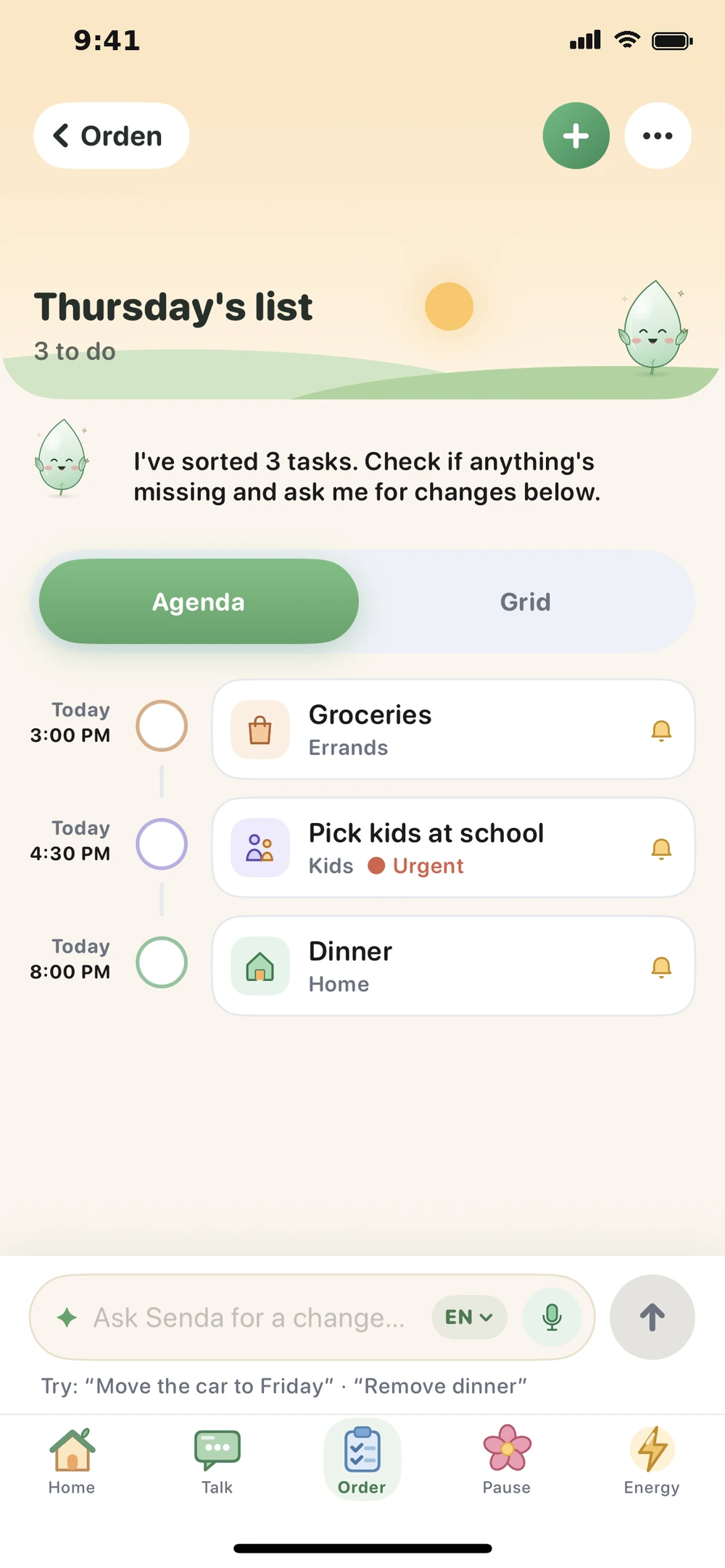
In Order, you dictate everything at once, however it comes out ("dentist Tuesday at 5, gift for Lucía, pay the gym") and Senda turns it into tasks with dates, categories and reminders. Change it just by saying so.
- Plan around your energy: Senda shows your level for the day.
- Vent in Talk when the list feels like too much.
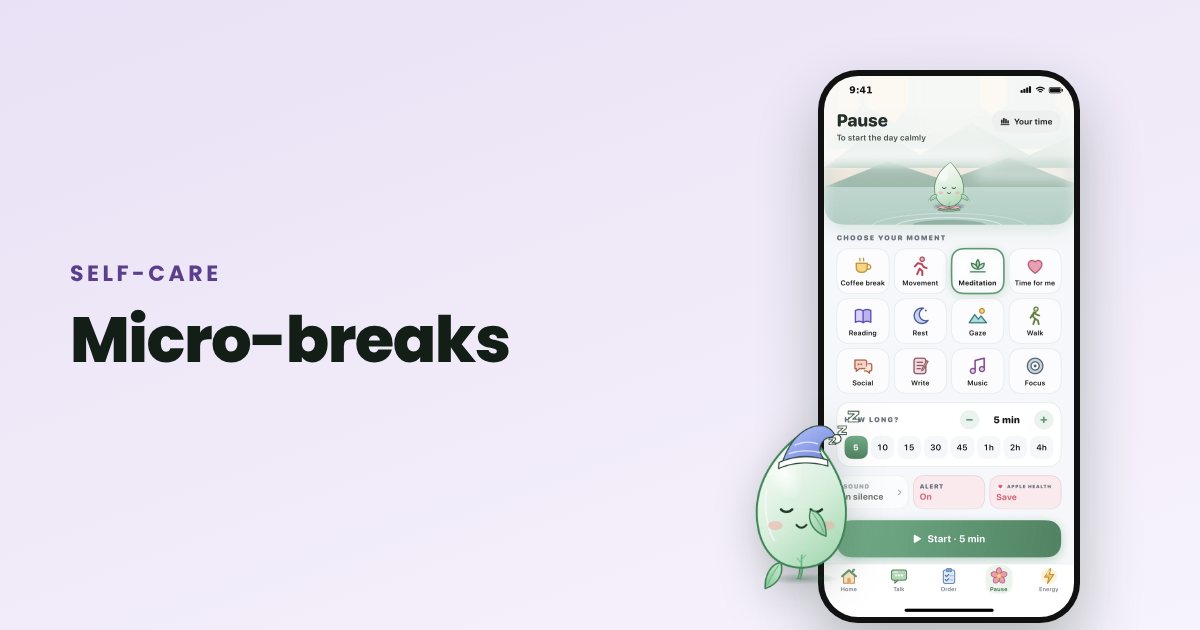
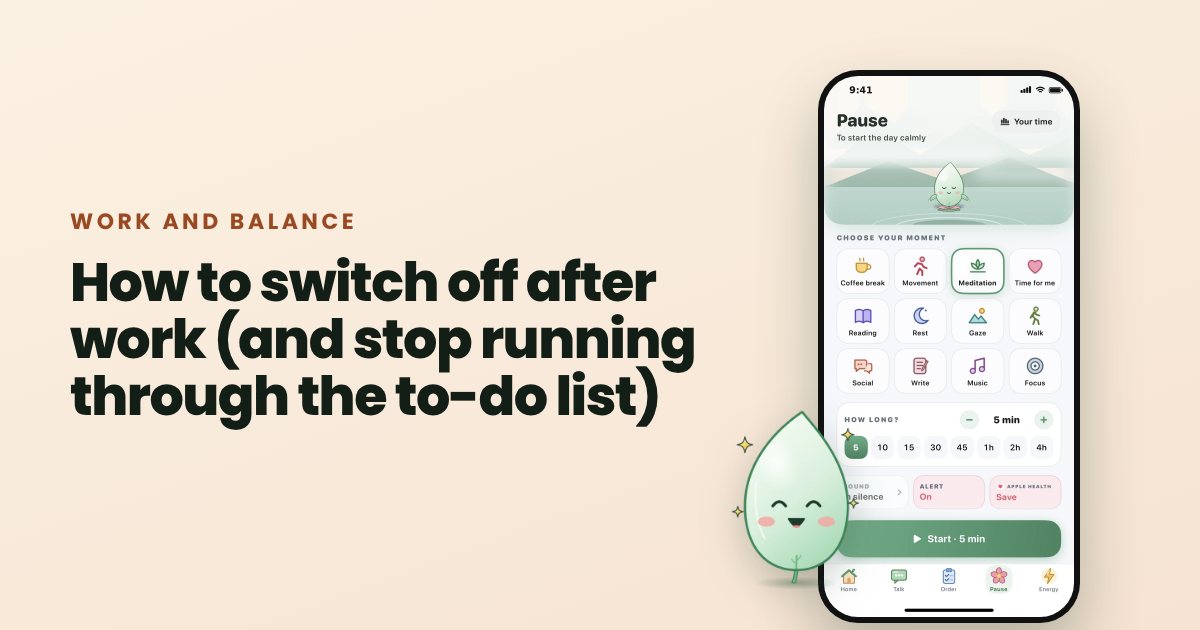
- Protect a real break in your plan.
Free plan, no card needed. 3-day free trial.
Frequently asked questions
How do you work from home with kids around?
Plan focus blocks around naps, school or another adult's shift, prepare independent activities in advance, agree a simple "do not disturb" signal and tell your team your real availability.
How many hours can I work from home with a toddler?
It depends on naps and help. Many parents only get two to four hours of focused work, so keep those for the most important tasks and plan lighter work for the rest.
How do I stop feeling guilty about screen time while I work?
Choose content you are happy with, set a limit you can live with, and remember it is a temporary solution to cover work, not a measure of your parenting.
Sources
Keep reading


Senda is a self-care and organization companion, not a medical service. This guide is informational and does not replace advice from a qualified professional.